Yoga. Can Christians do it? Is it a sin? Does it open up spiritual warfare? Isn’t it about worshipping other gods?
It’s a spicy question often asked in faith and wellness spaces. Maybe you’ve asked it yourself, and that’s why you’re here.
The question often comes from people who love God and genuinely want to honor Him, but who also carry fear. Fear of getting it wrong. Fear of punishment. Fear of not obeying God.
But here’s the root: this question isn’t just about yoga. It’s about where faith and the body intersect. It’s about how we worship. It’s about how we offer our whole selves to God.
Our ministry exists to help people love God and love their bodies, and envision a world where people live out the love of Jesus with their whole selves. Scripture is clear that following Jesus, how we worship, and how we offer ourselves, includes the body.
Jesus commands us to love God with all our heart, soul, mind, and strength (Mark 12:30). Paul urges believers to “present your bodies as a living sacrifice” as an act of true worship (Romans 12:1). The body is not something we ignore, fear, or leave behind when we talk about faith.
So, where does yoga fall in respect to the body?
The way we treat and think about our bodies matters. God created us to move. How we stretch, bend, lift, and rest are all functions of good bodies that a good God created.
“Do you not know that your bodies are temples of the Holy Spirit… Therefore honor God with your bodies."
1 Corinthians 6:19–20
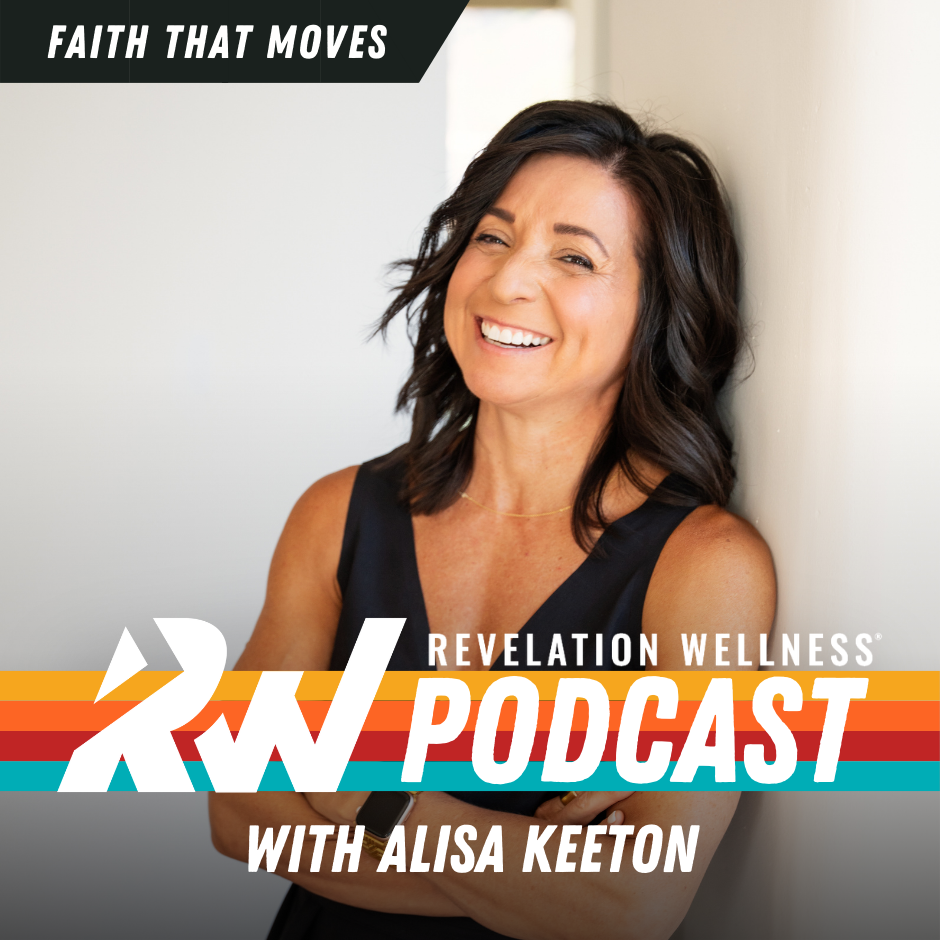
This is the heart of Episode #1045 of the Revelation Wellness Healthy & Whole Podcast, where Alisa Keeton, CEO and Founder of Revelation Wellness, responds to the question “Can Christians do yoga?” Listen to the full conversation below.
Can Christians Do Yoga?
Why We Need To Have This Conversation:
We’ve prayed over this conversation and patiently stewarded for years as God prepared hearts and language for it. Because at the core of our mission to train people to love God, and their bodies, is this truth: “The body is for the Lord, and the Lord is for the body” (1 Corinthians 6:13).
And the question keeps coming up.
These questions deserve care and real conversation. And sometimes it’s kind to face the hard questions head-on.
And here’s the thing: Love doesn’t require agreement, but invites honest discussion. As you read and listen, let this be a gentle invitation to lay down any fear. Take a deep breath, lift your heart and your gaze to Him, and let’s dive in!
The Hard Question
Why are we so afraid of our bodies? The Bible does not sidestep the body. It sanctifies it.
“The body is for the Lord, and the Lord is for the body.” — 1 Corinthians 6:13
From the very beginning, God forms humanity from dust and breathes life into our lungs (Genesis 2:7). Jesus Himself takes on flesh (John 1:14). And Paul reminds the Church that our bodies are not disposable, they are dwelling places for the Holy Spirit (1 Corinthians 6:19–20).
God created the body. Jesus took on the body. The Holy Spirit dwells in bodies. This was never meant to be a disembodied faith.
So the biblical question isn’t whether the body belongs in discipleship, it’s how we surrender it. The body is not the enemy. It is the place where God chooses to dwell. When we understand that God lives within us, movement becomes a response to His presence rather than something to fear.
Fear is Not a Fruit of the Spirit
Some have been told certain postures open the door to spiritual harm. Others are healing from New Age or yoga-based spiritual backgrounds. Our heart goes out to them. These fears are real, and they often come from a sincere desire to honor God.
As Alisa shares in the podcast, “Fear has a way of making us suspicious of the body.”
Fear says, “Your body is dangerous.” But God says, “Your body is where my Spirit dwells.”
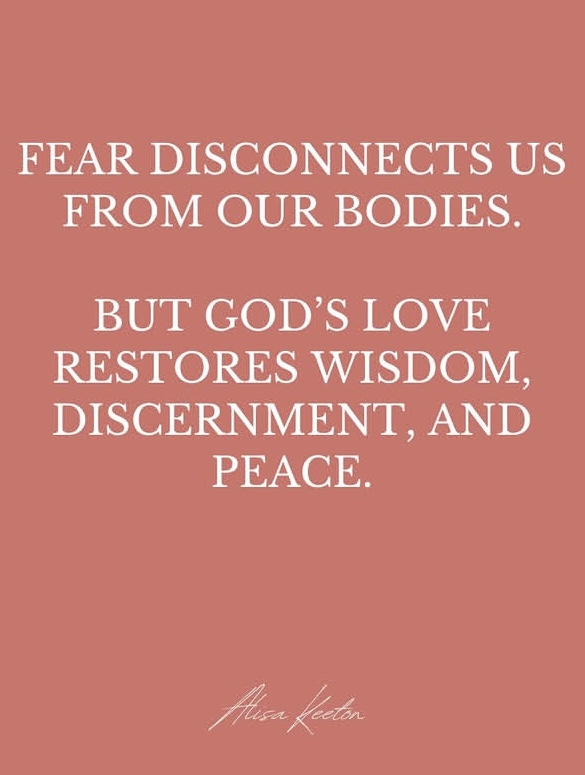
Where fear disconnects us from our bodies, God’s love restores.
“For God has not given us a spirit of fear, but of power, love, and self-control.”
— 2 Timothy 1:7
“Perfect love drives out fear.” — 1 John 4:18
Fear is a powerful teacher, but the answer to fear is not avoidance. It is discernment. We can say no to environments that pull our hearts away from Christ. Ask the Holy Spirit. Pay attention. Notice what draws you closer to God and what doesn’t.
And remember—false worship can happen with anything that captures our hearts—money, food, success, sex. The issue isn’t movement. It’s who or what we worship with our bodies.
With this discernment, you can then say yes to movement that blesses your body, calms your nervous system, and leads you deeper into worship and closer to your Father.
Movement as Worship
Movement can become prayer when it is surrendered to God. Our mission is to train people to love God, and love their body. Your body is holy ground. And movement, when offered back to the Lord, can be a powerful expression of worship.
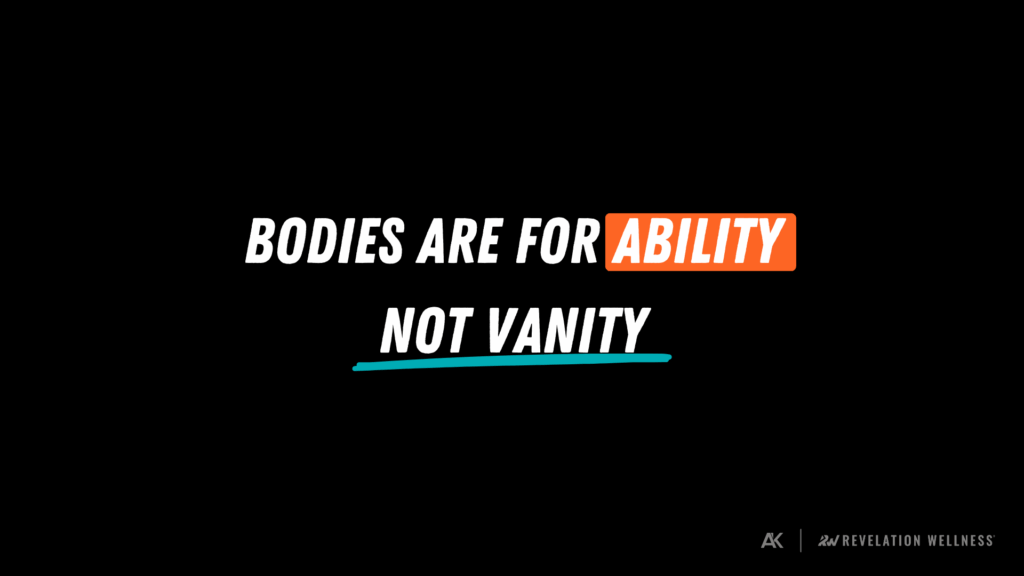
Our bodies are for ability, not vanity.
“Man looks at the outward appearance, but the Lord looks at the heart.”
— 1 Samuel 16:7
A physical posture does not determine worship. Devotion does. Being “set apart” was never a call to reject the body, but rather a call to offer it wisely.
“Whether you eat or drink, or whatever you do, do all to the glory of God.”
— 1 Corinthians 10:31
The Gospel calls us to life in our bodies. Jesus lived and walked IN a body. He walked, knelt, lifted His arms, rested, breathed, and moved through the world. He embodied salvation.
God invites our whole selves, not just our thoughts.
Historical Roots vs Today's Practices
The word yoga means “to yoke” or “to unite,” and yes, its origins are connected to Hindu spiritual practices. This practice took the body and united it to their devotion to their gods. So Christians who worry about doing yoga are valid.
However, the posture itself isn’t the problem. Movement becomes worship not because of a pose, but because of who we are offering it to. The real question isn’t what shape my body is making, but who am I yoked to? Whose kingdom am I advancing?
“What matters isn’t the shape of your body in a posture, it’s the posture of your heart.” — Alisa Keeton
The issue isn’t movement. It’s who or what we worship with our bodies.
Scripture doesn’t call us to ignore these origins and questions, but it also doesn’t call us to live afraid of them.
Paul addressed a similar issue when believers were concerned about food once offered to idols:
“An idol is nothing at all in the world… but not everyone possesses this knowledge.”
— 1 Corinthians 8:4,7
And later:
“Test everything; hold fast what is good.”
— 1 Thessalonians 5:21
The Holy Spirit in a believer is not overpowered by a stretch. “We don’t accidentally worship another god by stretching our hamstrings,” Alisa says in the episode. Christians do not lose discernment when they move their bodies; we are called to exercise it.
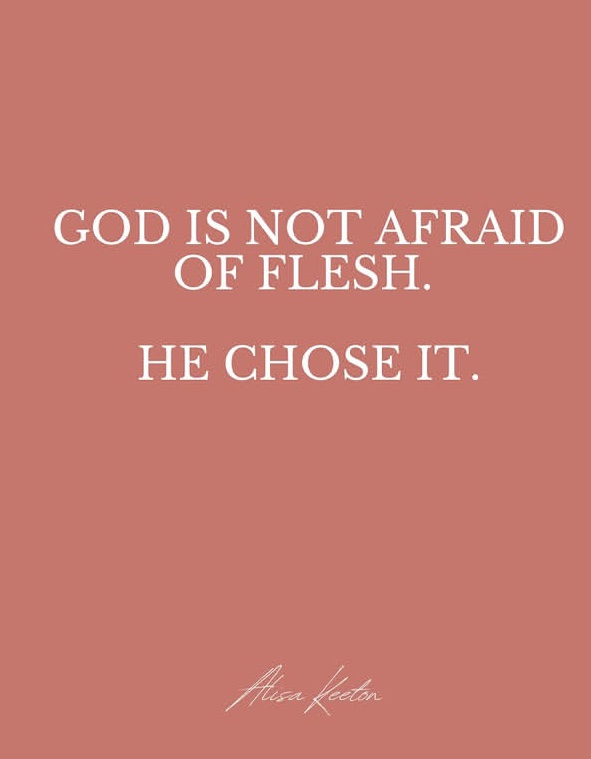
God is not afraid of the body. He created it. He redeemed it. And He calls it His.
Rev on the Mat: Movement Belonging to Jesus
Movement isn’t the goal; communion with God is.
Our heart is to help people move their bodies without fear, anchored in Scripture, led by the Spirit, and rooted in worship. We train our bodies to move as an act of worship.
Rev on the Mat is Revelation Wellness’ Christ-centered approach to slowing down, stretching, breathing, and restoring the body in God’s presence. This is a movement practice belonging to Jesus — from Him, through Him, and to Him (Romans 11:36).
Rev on the Mat is about making space for God’s truth to meet us in our bodies without confusion about worship, authority, or spiritual alignment. Breathing is taught thoughtfully, not mystically. Stillness is practiced as attentiveness to God, not self-emptying.
“What matters isn’t the shape of your body in a posture — it’s the posture of your heart.” — Alisa Keeton
If you’re curious what this looks like, we’ve included two Rev on the Mat workouts below to help you experience this kind of Christ-centered movement for yourself.
An Invitation to Freedom
This conversation isn’t really about yoga. The deeper conversation is how fear has shaped so many believers’ relationships with their bodies.
Our bodies are not neutral. They are not the enemy. They are the place where we worship, where we breathe, kneel, lift our hands, and live out our faith.
If you feel uneasy about yoga or any movement practice, pause and pray. If something disrupts your peace or pulls your heart from Christ, honor that conviction.
But don’t let fear make decisions God never asked you to make. If you are asking, “Can Christians do yoga?” the deeper invitation may be this:
“Search me, O God, and know my heart.” — Psalm 139:23
When the heart is anchored in Christ, the body can become a place of worship rather than confusion.
Explore Faith-Centered Movement
Revelation Wellness exists to help people:
- Move their bodies with purpose
- Anchor their hearts in God’s Word
- Experience freedom in both faith and fitness
Want to experience God in your movement? You’re invited to try a Rev on the Mat workout to experience what Christ-centered movement feels like. Let us know your experience!
What else do we want to put here?
Watch
🎧 Watch Episode #1045 of the Revelation Wellness Healthy & Whole Podcast, “Can Christians do yoga?”